Can Balatro make you better at poker?
Balatro teaches the one part of poker that never costs money to get wrong, the hand rankings, and skips every part that does. What carries over to a real table, and the habit to unlearn.
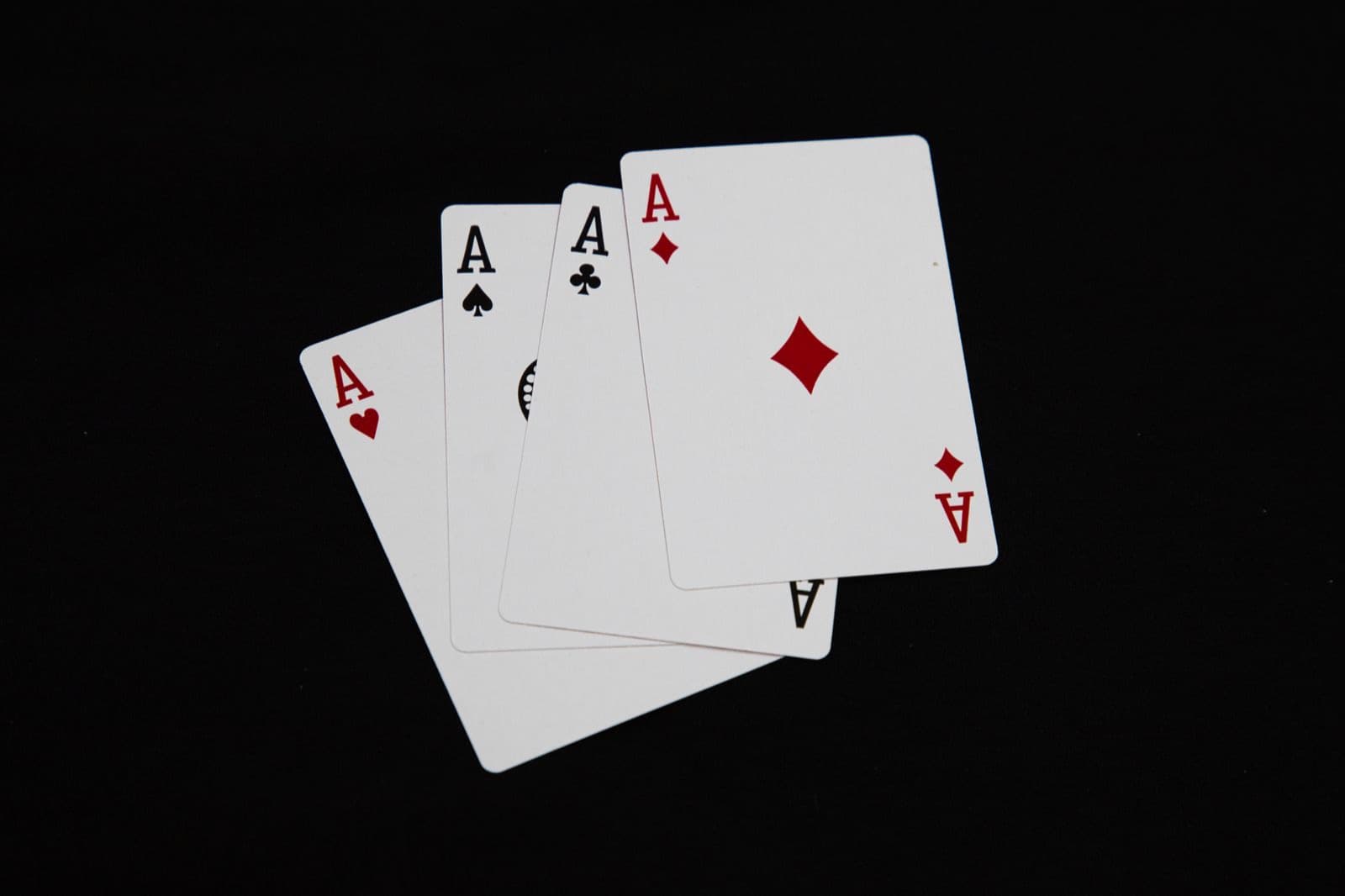
Balatro is a deckbuilding game made of poker hands. You never sit across from another person, you never bet, and you win by building bigger and bigger hands until the numbers get silly. Plenty of people finish a run and wonder whether any of it carries over to a real poker table.
It does, for exactly one skill: knowing what beats what. Balatro drills the hand rankings until they are automatic, and it does that better than any chart. Almost everything else that decides who wins money at poker, it leaves out. And one habit it builds is worth unlearning before you sit down.
What Balatro gets exactly right
Every hand you can play in Balatro is a poker hand, and the game's scoring puts them in poker's order. Each hand has a base score, its chips times its mult, and that score climbs all the way up the ladder:
| Hand | Balatro base score | Five-card deals that make it |
|---|---|---|
| Straight flush | 100 × 8 = 800 | 40 |
| Four of a kind | 60 × 7 = 420 | 624 |
| Full house | 40 × 4 = 160 | 3,744 |
| Flush | 35 × 4 = 140 | 5,108 |
| Straight | 30 × 4 = 120 | 10,200 |
| Three of a kind | 30 × 3 = 90 | 54,912 |
| Two pair | 20 × 2 = 40 | 123,552 |
| Pair | 10 × 2 = 20 | 1,098,240 |
| High card | 5 × 1 = 5 | 1,302,540 |
Base scores at level 1, before jokers and planets. The last column counts all 2,598,960 ways to deal five cards from a standard deck.
Read the two columns side by side and you have the whole logic of the rankings: the rarer a hand is, the more it is worth. A flush beats a straight because there are 5,108 ways to deal a flush and 10,200 ways to deal a straight. Balatro never says that out loud, but after a few hours you feel it.
There are two small differences. Balatro scores a royal flush as an ordinary straight flush, where in poker it is simply the best straight flush there is. And Balatro has three secret hands (five of a kind, flush house and flush five) that only exist because its decks can end up holding copies of the same card. A standard 52-card deck can't make any of them, so you will never see one at a poker table.
Hand rankings are the one part of poker that never costs money to get wrong, and the part most beginners trip on first. If Balatro got you past it, it did real work. You can check how automatic it has become with the hand rankings quiz, which deals two real five-card hands and asks which one wins.
The habit Balatro teaches that poker punishes
In Balatro you hold 8 cards, and each round gives you 3 discards of up to 5 cards. So when a flush looks possible, you dig for it: throw away the off-suit cards and draw again.
It works. Spend all three discards chasing a flush and you end up holding one more than nine times in ten. Your opening eight cards contain one only about 7% of the time, so the discards do almost all of the work.
Poker gives you none of that. Dealt five cards with no draws, you get a flush or better once in 273hands. In Texas Hold'em, if you flop a flush draw (four cards of a suit, nine more still in the deck), you complete it by the river about 35% of the time. You miss nearly two times in three, and every card costs you a bet, because the other players get to put a price on your draw.
That is where the Balatro instinct gets expensive. Calling to chase a draw is only right when the pot pays you enough for the times you miss: a draw that gets there 35% of the time can only call when the price asks for less than 35%. The pot odds calculator does that sum for any bet.
The pair Balatro taught you to ignore
Balatro also teaches you that small hands are worthless. A pair scores 20 and a flush scores 140, 7 times as much, so you learn to throw pairs away and build something bigger.
At a hold'em table, small hands are most of the game. About 6times in ten, a player's best five cards by the river are one pair or less. So one pair wins a lot of pots, often with nobody holding anything better. A player who lets top pair go to wait for a flush hands that money to whoever stayed in.
What Balatro can't teach at all
The rest of poker happens between people, and Balatro has nobody else at the table. It can't teach position (acting last is a big advantage), reading what an opponent's bets mean, when a bluff makes sense, or how to size a bet so a worse hand pays you off. GameSpace made the same point in its piece on how Balatro crossed video games and poker: the game teaches the rankings and leaves out the betting, the bluffing and the opponents.
Coming from Balatro? Start here
If Balatro made you curious about the real game, this path builds on what it already taught you:
- The hand rankings quiz: two real hands, pick the winner. If you are quick here, Balatro did its job.
- Which hand wins?: enter two players' cards and a board, and see who wins and why. This is how hold'em hands are actually decided, with seven cards to choose from.
- The bots table: six-handed hold'em against five computer opponents, free with no signup. It's where you practice the parts Balatro skips, and every hand gets reviewed.
Balatro is a great way to learn what beats what. Poker is a game about what to do while you still don't know whether you are winning. They are different skills, and the first one is already yours.